“baking analysis” search results (500)

Coffee training knowledge-Analysis of Acid components in Coffee
Coffee training knowledge-Analysis of Acid components in Coffee: the acidity of coffee is generally considered to be related to coffee quality. Acidity is typical of high-value coffee in Central America and East Africa. Excessive sour taste is considered to be the disadvantage of coffee. Acidity is related to growing at very high altitudes and mineral-rich volcanic soils. The acidity of washed beans is higher than that of sun-dried beans. As thick as sun beans
2014-10-08 Coffee knowledge coffee encyclopedia caffeic acid coffee ingredients
Analysis of the processing steps of coffee beans how to determine the baking degree of coffee beans?
1. Peeling removes the peel and most of the flesh by mechanical or manual means. two。 Fermentation removes the mucus and film from the core by fermentation. as the length of fermentation time will affect the flavor of coffee, each manufacturer has its own fermentation time. 3. The drying method is mainly divided into natural sun drying and natural air drying. Excessive water content can easily lead to mildew and insect growth of raw coffee beans.
2015-09-14 Coffee beans processing steps analysis baking how decision peeling utilization machinery
Analysis of Coffee Bean Composition
Coffee Bean Composition Analysis Green Bean (Unit: Percentage) Moisture: 11.3 Fat: 11.7 Protein: 11.8 Sugar: 8.0 Essence: 17.1 Caffeine: 1.3 Tannin: 6.0 Minerals: 4.2 Crude Fiber: 28.6 Cooked Bean Moisture: 2.5 Fat: 13.2 Protein: 12.8 Sugar: 1.8 Essence: 29.6 Caffeine: 1.3 Tannin: 4.0 Minerals
2014-06-26 Coffee bean ingredients single-ingredient coffee beans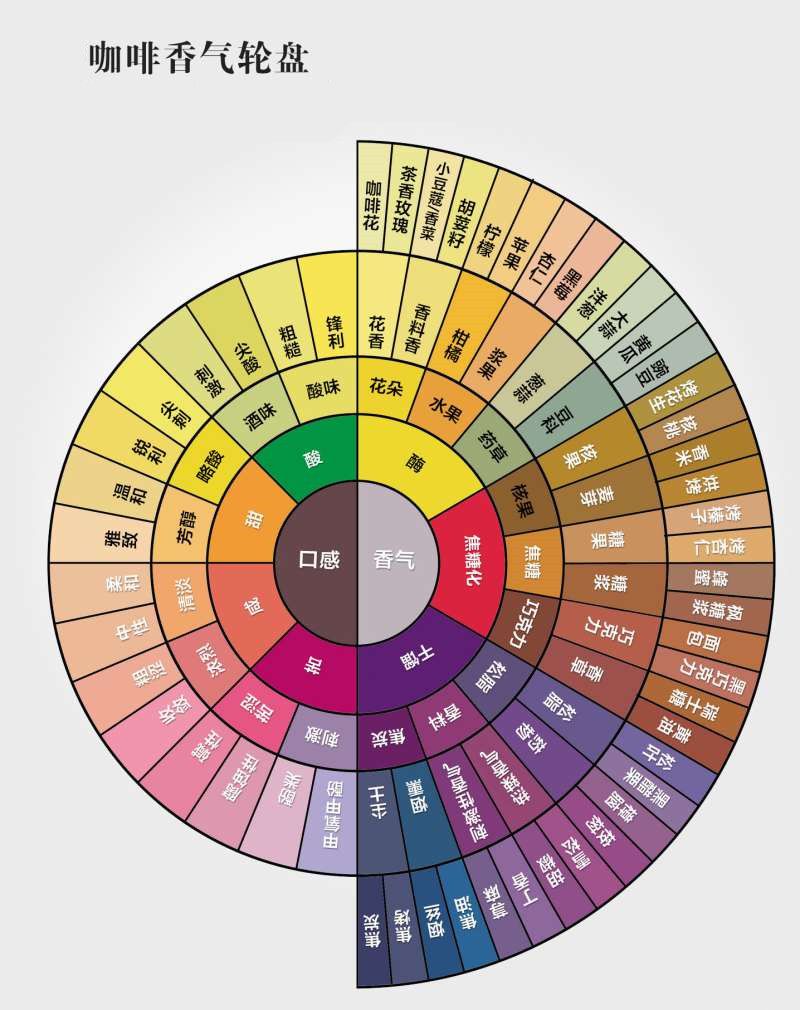
The main points of the knowledge of coffee flavor wheel: a detailed analysis of the learning essentials of SCAA coffee flavor wheel
Coffee has only four kinds of water-soluble tastes: sour, sweet, bitter and salty, some sour and sweet, only volatile, which need to be identified by smell; some are non-volatile, only water-soluble, and need to be identified by taste buds; and some sweet and sour ingredients are both volatile and water-soluble, so sour and sweet often show the dual senses of smell and taste. As for bitterness and saltiness, there is no volatility.
2015-12-26 Coffee flavor knowledge essentials SCAA learning detail analysis coffee
Analysis on the steps of Coffee Baking
Once the coffee seed is planted, no one can change its final quality. However, the color, aroma, bioactive components and health characteristics of coffee are related to the roasting process. During the roasting process, coffee is heated at 190-220 degrees for 7-20 minutes, which helps to bake out its aroma and good taste, and helps to form lactone, nicotinic acid and resistance.
2014-08-21 About coffee roasting steps parsing once coffee seeds planting no one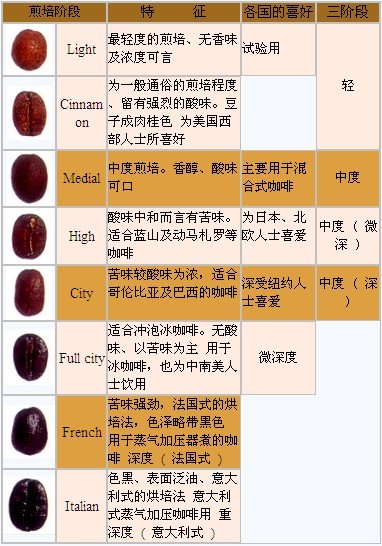
Key points of roasting technology of coffee beans: detailed analysis of roasting curve of coffee beans
The roasting of coffee beans can be divided into three categories: light fire, medium fire and strong fire, and these three kinds of roasting can be subdivided into 8 stages, as shown in the table. Characteristics of baking degree three-stage 1.light the most mild baking, no fragrance test with light heat 2.cinnamon general baking degree, leaving a strong sour taste. The beans are cinnamon-colored, American and Western style, medium-fried with 3.medium.
2015-12-26 Coffee beans roasting technology essentials explanation coffee beans curves details analysis
Analysis of various components in coffee beans
Caffeine: caffeine is the most eye-catching of all the ingredients in coffee. It belongs to a kind of phytoxanthin (animal muscle component). It has the same properties as theobromine contained in cocoa, green tea contains the same theophylline, and the percentage of reduction after baking is very small. Caffeine has a very wide range of effects. will affect the human brain, heart, blood vessels, gastrointestinal, muscle and kidney and other parts, the right amount of coffee
2015-10-14 Coffee beans ingredients various composition analysis caffeine coffee all medium
Analysis of roasting process of coffee roasting program
Coffee roasting is the coking of raw coffee beans at high temperature. Roasting completely changes the substances inside the raw beans to produce new compounds, which are recombined to form aroma and mellow flavor. And this effect will only happen at high temperature, if you only use low temperature, it will not cause decomposition, no matter how long the coffee beans are not cooked. Most people think that baking is nothing, just using firefighters.
2015-06-08 Coffee roasting program process analysis coffee is made at high temperature.
Composition Analysis of Coffee Bean
Fat: there are many kinds of fat in coffee, the most important of which are acidic fat and volatile fat; acidic fat refers to the presence of acid in fat, and its acidity varies with different types of coffee. Volatile fat is the main source of coffee aroma, emitting 40 aromatic substances, is a very complex and subtle ingredient. Sugar: coffee beans contain about 8% sugar
2014-09-19 Composition Analysis of Coffee Bean
About coffee beans Analysis of the main contents of a coffee bean what are the ingredients in the coffee bean
Caffeine is the most eye-catching of all the ingredients in coffee. It is a kind of phytoxanthin (animal muscle component). It has the same properties as theobromine contained in cocoa, green tea contains the same theophylline, and the percentage of reduction after baking is very small. Caffeine has a very extensive effect. It will affect various parts of the human brain, heart, blood vessels, gastrointestinal tract, muscles and kidneys, and the right amount of caffeine will.
2015-12-29 About coffee beans one main content analysis which ingredients caffeine coffee
Analysis of Acid Components in Coffee
Coffee acidity is often thought to be related to coffee quality. Acidity is characteristic of high value coffees typical of Central America and East Africa. Excessive sourness is considered a disadvantage of coffee. Acidity is associated with cultivation at very high altitudes and mineral-rich volcanic soils. The acidity of water-washed beans is higher than that of sun-dried (naturally dried) beans. Sun-dried beans are heavier than water-washed beans because the concentration masks the acid in coffee.
2014-05-29 Coffee knowledge coffee acidity analysis
Step-by-step Analysis of siphon Coffee making skills
Coffee production step by step analysis 1 measure the weight of coffee beans, suitable for the baking degree of the siphon pot 2.8 360ML 45g coffee powder, 360ML water can be made into three cups of coffee, added to the bean grinder to grind into powder. 2 add pure water to the base of the siphon pot, boil and let cool for two or three minutes, control the temperature below 90 ℃ (Note: mineral water can not be used, scale will appear and affect the taste of coffee). Filter cloth
2015-09-16 Coffee production step by step analysis siphon technique coffee
Coffee beans roasting detailed analysis-a good coffee must-see knowledge
Coffee roasting is a process of pyrolysis, which completely changes the substances inside the green beans, producing new compounds and recombining them to form aroma and alcohol. This effect occurs only at high temperatures, and if only low temperatures are used, decomposition cannot occur. In fact, roasting is the most difficult step in coffee processing.
2015-11-23 coffee beans roasting detail analysis one bit coffee look knowledge
Analysis of Coffee Bean Composition
Caffeine is the most noticeable of all coffee ingredients. Its effect is extremely extensive, will affect the human body's brain, heart, blood vessels, gastrointestinal, muscle, kidney and other parts.
2014-08-18 Coffee knowledge coffee bean ingredients ingredient analysis
A brief Analysis of other kinds of Yemeni Coffee
Isimarie: 1800'2 above sea level, ⒛ 0 meters above sea level, located in Bani Ismaili, the higher Ismail Highland in the Salzi producing area southwest of Matari, the breed is called Isimarie. Beans are a little more round than Matari (note that they are different from each other), but Isemary has the same flavor of Harald, Ponzi seems to be higher than Matari, and even has aromas of cardamom, tobacco and sunwood. Shallow
2015-10-22 Brief Analysis Yemen Coffee other species Isis Mary altitude
Ethiopian coffee bean grade analysis coffee bean common sense
Ethiopian coffee beans are divided into five levels. The first and second stages are washed beans. Washed beans Grade1 represents 3 defective beans per 300g raw beans, and Grade2 represents 4 defective beans per 300g. Gradc1 grade water washed beans are very rare and are generally difficult to buy. At present, all the washed beans exported from Ethiopia are Grade2 grade. The quality of sun-dried beans is Grade3 and Grade4 in order.
2015-04-01 Ethiopia coffee beans grades analysis common sense points
Analysis of Coffee roasting steps
Once the coffee seed is planted, no one can change its final quality. However, the color, aroma, bioactive components and health characteristics of coffee are related to the roasting process. During baking, coffee is heated at 190-220 °for 7-20 minutes, which helps to produce its aroma and good taste, and helps to form lactone, nicotinic acid, and
2014-08-20 Coffee knowledge baking steps coffee roasting skills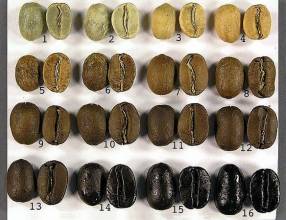
Analysis of the steps in coffee roasting the roasting degree of coffee and the roaster of coffee all affect the quality of beans.
Once the coffee seed is planted, no one can change its final quality. However, the color, aroma, bioactive components and health characteristics of coffee are related to the roasting process. During the roasting process, coffee is heated at 190-220 degrees for 7-20 minutes, which helps to bake out its aroma and good taste, and helps to form lactone, nicotinic acid and resistance.
2016-01-13 Coffee roasting medium step analysis degree all have a great impact once coffee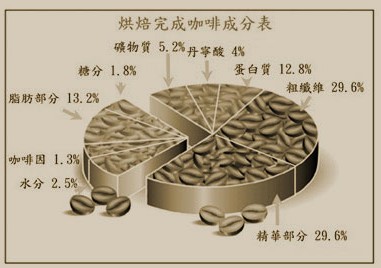
Key points of knowledge about roasting coffee beans; detailed analysis of coffee composition table after roasting
Caffeine: caffeine is the most eye-catching of all the ingredients in coffee. It belongs to a kind of phytoxanthin (animal muscle component). It has the same properties as theobromine contained in cocoa, green tea contains the same theophylline, and the percentage of reduction after baking is very small. Caffeine has a very wide range of effects. will affect the human brain, heart, blood vessels, gastrointestinal, muscle and kidney and other parts, the right amount of coffee
2015-12-21 Coffee beans roasting knowledge essentials completion coffee sub-table detail analysis
A brief Analysis of Yemeni Coffee introduction to other kinds of coffee
Isimarie: 1800'2 above sea level, ⒛ 0 meters above sea level, located in Bani Ismaili, the higher Ismail Highland in the Salzi producing area southwest of Matari, the breed is called Isimarie. Beans are a little more round than Matari (note that they are different from each other), but Isemary has the same flavor of Harald, Ponzi seems to be higher than Matari, and even has aromas of cardamom, tobacco and sunwood. Shallow
2015-02-11 Brief Analysis Yemen Coffee other species introduction Isse Mary altitude 800